
Hardwired EV Charger Installation in Yorba Linda
Direct-to-panel connections for higher amperage and weather exposure, from Esperanza Road up into the canyon tracts.
When a Plug Is the Weakest Point in the System
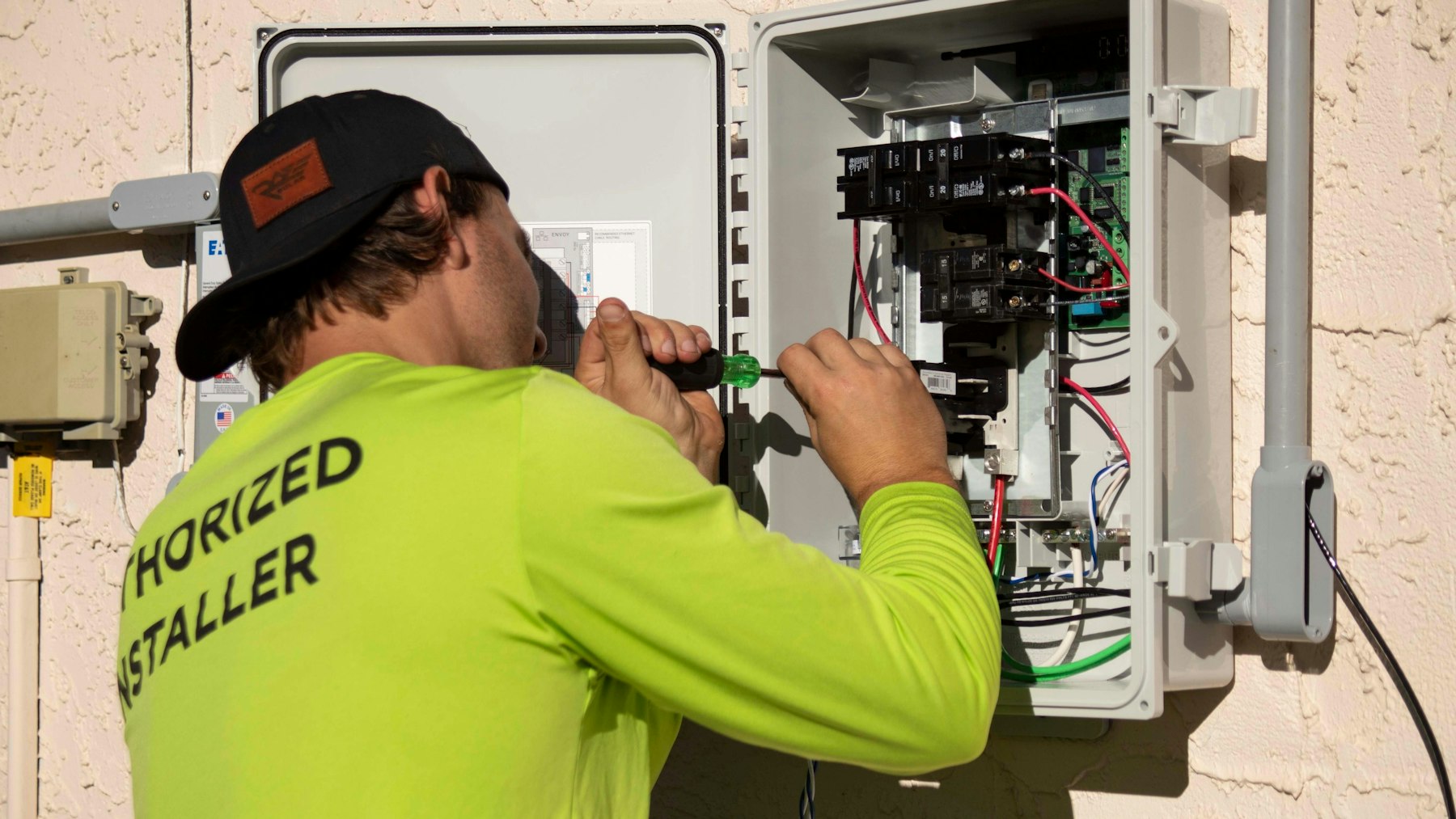
Hardwiring means the charger is connected permanently to the circuit with no receptacle and no plug in the path. That matters for three reasons: it is the only way to run a charger above 40 amps, it eliminates the connection point most likely to overheat, and it is required by code for 60-amp circuits. Hardwired EV charger installation in Yorba Linda is what we recommend for anyone charging outdoors, anyone with a detached garage or carport, and anyone who bought a 48-amp-capable unit and wants the speed they paid for. The plug on a 14-50 is a mechanical connection that loosens with thermal cycling, and in the exposed driveway and hillside installations common on this side of the city, that connection is also exposed to weather and temperature swings. Yorba Linda EV Charger installs hardwired units across all the major brands, and the visit follows the same rhythm as any charger job: evaluate the service, install the breaker and circuit, land the conductors inside the unit, then verify a full-rate session with the vehicle before we finish.
- Required by code on 60-amp circuits
- No plug to loosen with thermal cycling
- Sunlight-resistant conduit outdoors
- Full-rate session verified on site
What a Hardwired Installation Covers
The following is included in the flat rate you approve up front.
Panel capacity confirmation for 60-amp service. A 48-amp charger requires a 60-amp circuit, which many older panels cannot accommodate. We confirm capacity with a load calculation before quoting the higher amperage.
60-amp breaker installation. We install a properly rated two-pole breaker matched to the charger's continuous output, seated correctly on the bus and torqued to specification.
Conductor sizing for continuous 48-amp draw. Conductors are sized for the continuous load and for the actual distance of the run, which on the larger lots in this area frequently means going a size up to control voltage drop.
Direct termination inside the unit. Conductors land on the charger's internal terminal block using the manufacturer's specified lugs and torque values, with no intermediate connector to loosen over time.
Exterior-rated conduit and fittings. Outdoor runs use sunlight-resistant conduit, weatherproof fittings, and expansion allowances appropriate to the temperature range this area sees between summer afternoons and winter nights.
Sealed wall and roof penetrations. Every point where the circuit passes through the building envelope is flashed and sealed, so water never tracks along the conduit into a wall cavity.
Strain relief and cable management. The charger cable is supported and routed so its weight is not carried by the connector or the enclosure, which extends the life of both.
Detached structure feeds. Where the charger sits in a detached garage or at the end of a driveway, we install the feeder and, where required, a subpanel with its own grounding electrode and disconnect.
Permit and city inspection. The electrical permit is filed with the City of Yorba Linda Building Division, the inspection is scheduled, and we meet the inspector on site.
Full-rate verification. With the vehicle connected we confirm the unit delivers its full configured amperage, that the enclosure stays within normal temperature, and that the session completes without faulting.
How a Hardwired Job Runs
The conduit route is permanent, so we agree on it with you before anything is mounted.
Determine whether 48 amps is realistic
Not every home can support a 60-amp circuit, and there is no point specifying hardware that the service cannot feed. We run the load calculation from your panel photos or a free site visit and tell you what amperage is actually available, then quote to that.
Permit filed and route planned
We pull the electrical permit and plan the conduit route, which matters more on hardwired jobs because the path is permanent. For exterior and detached installs we walk the route with you so the finished appearance is agreed before anything is mounted.
Install, seal, and verify
The crew installs the breaker, runs and secures the circuit, lands the conductors inside the unit, and seals every penetration. Then we charge the vehicle at full configured amperage and check the terminations and enclosure under load. Most hardwired installs are a single day; longer detached-structure feeds can extend into a second visit.
Why Hardwiring Should Be Done by a Specialist
Torque specification is treated as a real number
Hardwired terminations are the last connection in the chain and they carry continuous current for hours. We torque every lug with a calibrated tool to the manufacturer's figure, because an approximate termination is exactly what produces heat damage two winters later.
Outdoor installs are built for the exposure they get
Sun on a west-facing wall off Fairmont Boulevard is a meaningful load on plastic conduit and enclosure gaskets. We specify sunlight-resistant materials and detail the penetrations properly instead of treating an exterior mount like an indoor one moved outside.
Detached garages get a proper feeder
Feeding a structure across a property has its own requirements for disconnects, grounding electrodes, and burial depth. We do it as a code-compliant feeder with its own subpanel where required, which is both safer and easier to expand later.
Get Your Charger Hardwired Properly
If you bought a 48-amp charger, a plug will never let you use it. Hardwiring unlocks the full rate and removes the connection most likely to fail. Send us your panel photos and where the unit needs to go and we will quote the job.
Call Yorba Linda EV Charger(714) 000-0000Licensed C-10 · EVITP-certified · Permit and inspection included in every quote