
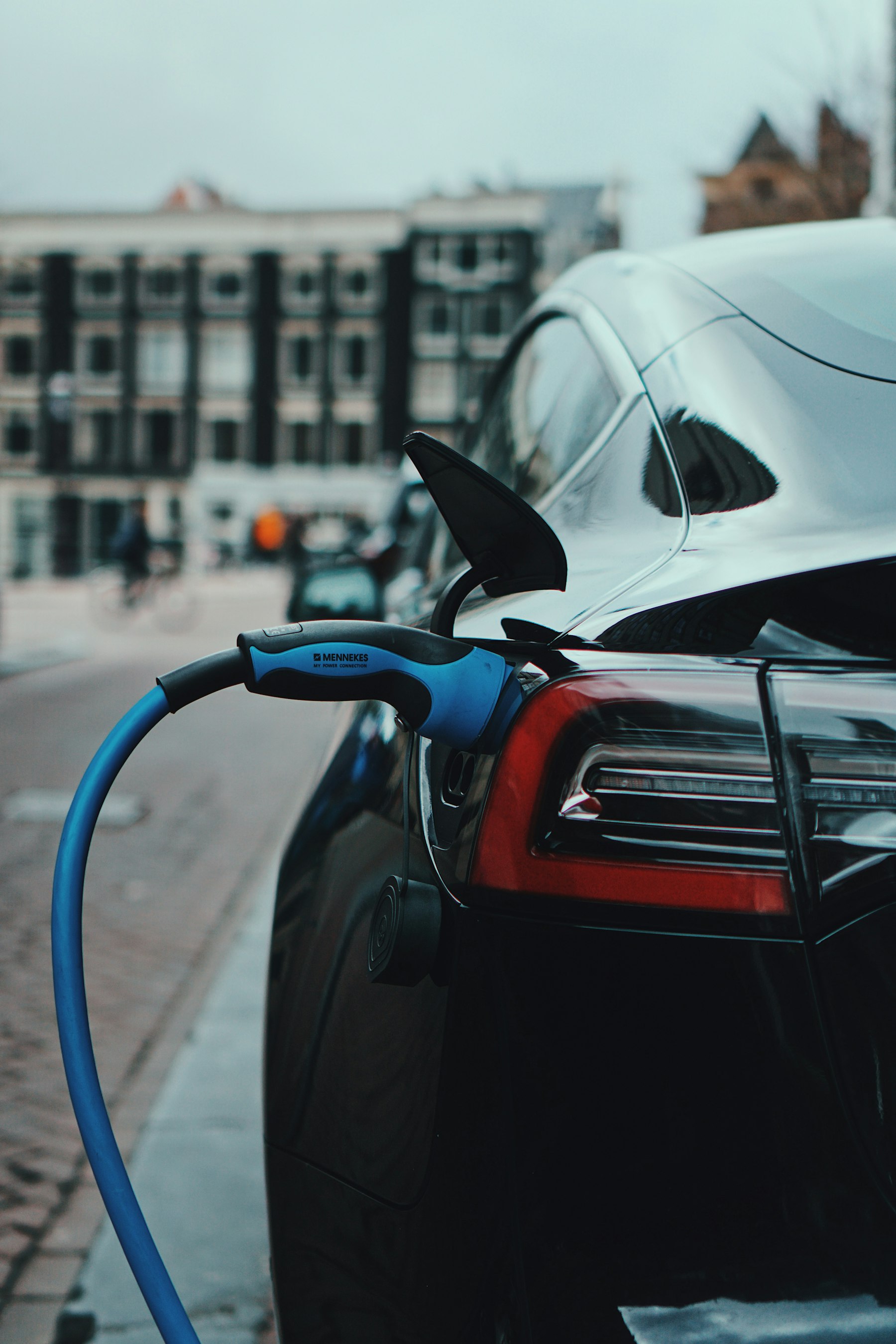
Commercial and Workplace EV Charging Stations in Yorba Linda
Charging for offices, retail, hospitality, and fleets along Imperial Highway, Yorba Linda Boulevard, and the Savi Ranch corridor.
Charging Infrastructure That Fits the Building You Already Have
Commercial charging is an infrastructure project, not a hardware purchase, and the order those two things happen in decides whether the project goes well. Commercial and workplace EV charging stations in Yorba Linda start with a load study of the existing service, because the number of stations a property can support is set by available capacity long before anyone chooses a brand. Employers add charging to keep staff parking on site all day, retail and hospitality operators add it to extend dwell time, and fleet operators add it because their vehicles have to be full by the first shift. Yorba Linda EV Charger works across all three, from a pair of stations behind an office off Savi Ranch Parkway to a multi-station bank with access control and billing. The scope typically includes the load study, the utility conversation, trenching or overhead routing to the parking area, the stations themselves, network configuration, and the permits and inspections for all of it. Timelines run longer than residential work, and we give you a realistic schedule at the start.
- Capacity measured, not assumed
- Conduit sized for future stations
- Access control and billing configured
- One contractor from service to station
What a Commercial Installation Covers
Commercial scopes vary by site, and the items below are quoted after the load study establishes what the property can carry.
Existing service load study. We measure and document the building's actual demand, not its nameplate rating, to determine how much capacity is genuinely available for charging.
Station count and siting plan. We map how many stations the service supports, where they belong relative to traffic flow and ADA-accessible stalls, and how the layout can expand later without redoing the infrastructure.
Utility service coordination. Where the project exceeds available capacity, we work with Southern California Edison on a service increase or a separate charging service, including the applications and the timeline.
Distribution and subpanel installation. Dedicated distribution equipment for the charging loads, sized for the planned stations plus the expansion you tell us to anticipate.
Trenching, conduit, and bollards. Underground or overhead routing to the parking area, concrete work, and protective bollards where stations sit in the path of vehicle traffic.
Networked station installation. Installation and commissioning of networked hardware from manufacturers including ChargePoint and Wallbox, connected to the operator's management platform.
Access control and payment configuration. RFID, app-based access, or open public use, with session pricing configured to your policy so employees, tenants, or customers are billed the way you intend.
Load management across stations. Power sharing so multiple stations operate within the available service, delivering full output when few cars are connected and distributing capacity intelligently when the lot fills.
ADA and signage compliance. Accessible station placement, clearances, striping, and signage that satisfies both accessibility requirements and local code.
Permits, inspections, and closeout documentation. All electrical and, where required, structural permits, the inspections, and a closeout package with as-builts and equipment records for your facilities file.
How a Commercial Project Runs
Capacity first, design second, hardware last.
Load study and feasibility
We start at the main service and establish what is available. That study tells you how many stations are possible today, what a service upgrade would buy you, and roughly what each path costs. It is the document that makes the rest of the decisions straightforward instead of speculative.
Design, permits, and utility
With a station count agreed, we produce the design, submit for permits, and open the utility conversation if a service change is needed. This phase sets the schedule, and utility timelines are the variable we control least, so we build them into the plan honestly rather than promising around them.
Installation and commissioning
Trenching and conduit go in first, then distribution equipment, then the stations. We stage work to keep as much of your parking usable as possible. Once energized, each station is commissioned onto the network, access and pricing are configured, and we walk your team through the management portal before closeout.
Why Commercial Clients Work With Us
The load study comes before the sales pitch
Quoting a station count without measuring the service is guessing, and it is how projects end up half-installed waiting on a utility upgrade nobody planned for. We establish capacity first, then design to it.
We build in the expansion you will need
Charging demand at a workplace grows. Sizing the conduit and distribution for more stations than you are installing today costs very little now and saves a second trenching project in two years. We plan for that by default.
One contractor from service to station
The electrical service work, the underground routing, the concrete, the stations, and the network configuration are all inside our scope. You are not coordinating three trades against each other or chasing responsibility when something needs adjusting.
Start With a Load Study for Your Property
Tell us the address, roughly how many stalls you are considering, and whether you need billing, and we will scope the study. Knowing your real available capacity turns a vague project into a decision you can make this quarter.
Call Yorba Linda EV Charger(714) 000-0000Licensed C-10 · EVITP-certified · Permits, inspections and closeout documentation included